
DEC 25
Great authors, market cap, and living with my brother

Humanity’s Most Prolific Writers
In the literature community, it’s widely accepted that Homer, Shakespeare, Milton, and Dante are the most influential writers of all time (setting aside the Bible and its contributors). Whereas when you move into modern times, its an oft-debated subject. In no particular order:
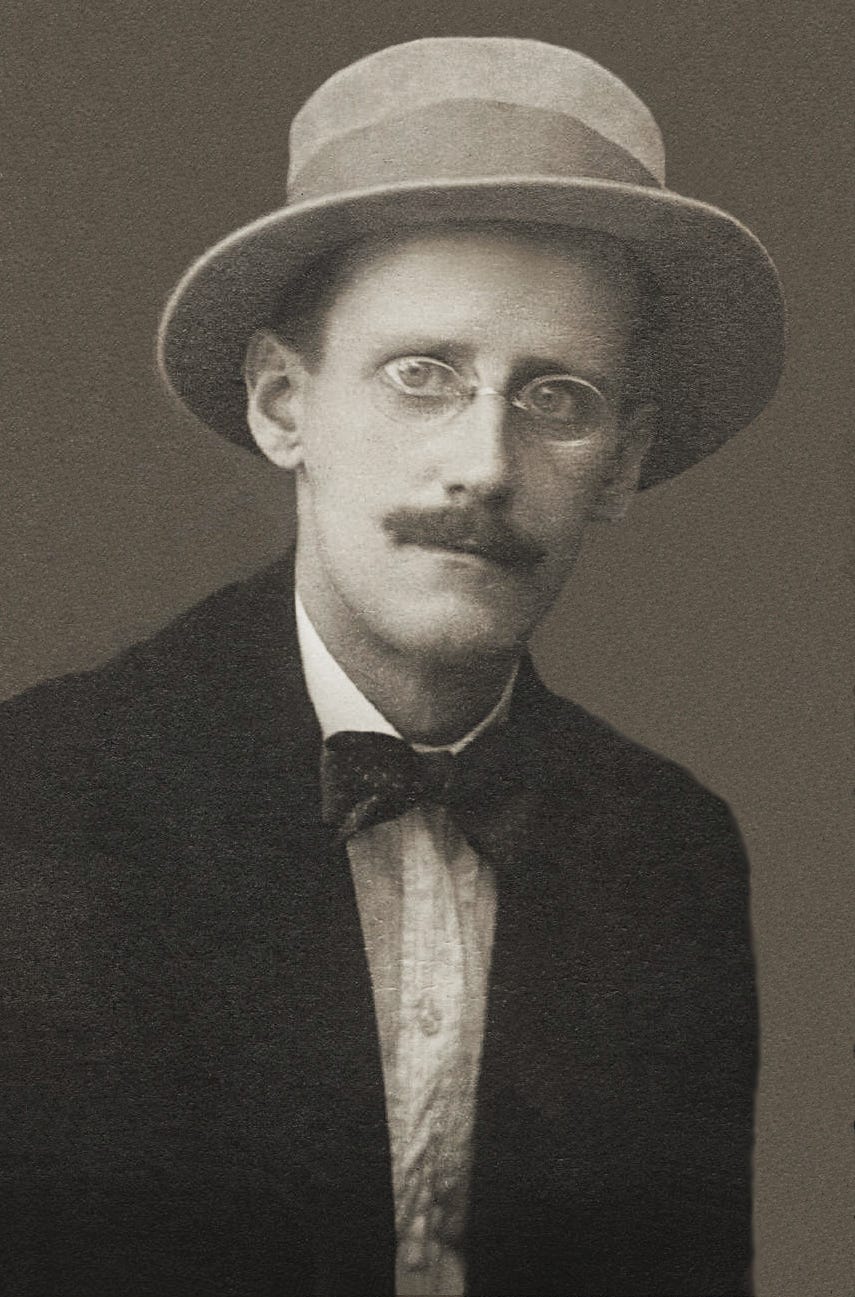
James Joyce — known for revolutionizing stream-of-consciousness. In the academic community he is often cited as the greatest of all time. Most known for Ulysses and Dubliners (I’d start with Dubliners if interested).
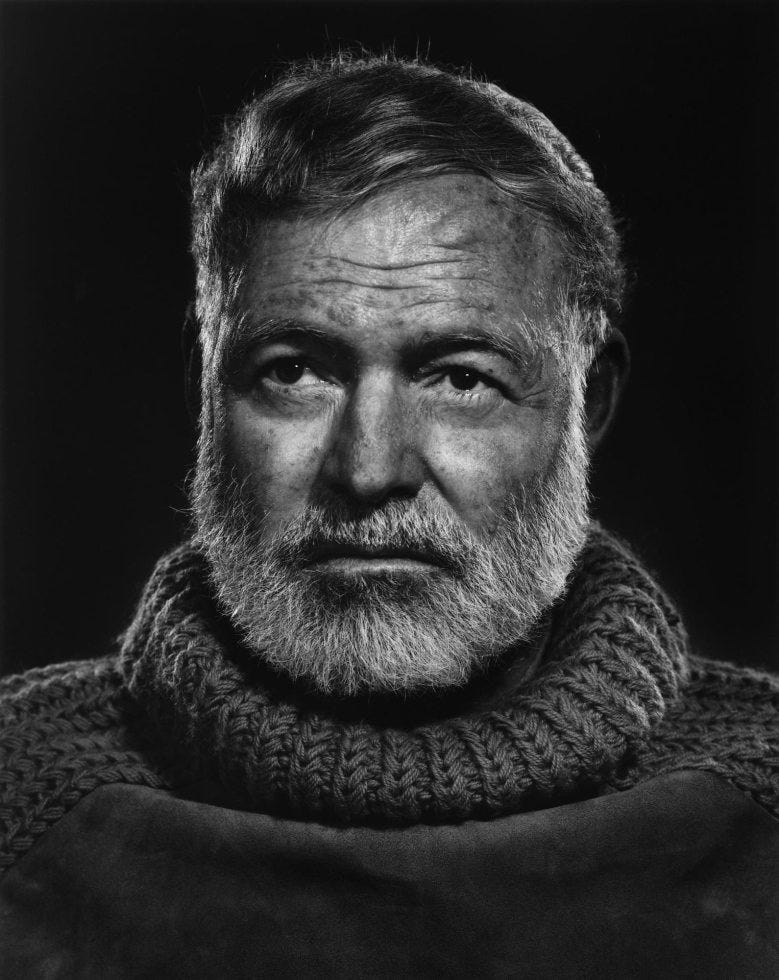
Ernest Hemingway — known for his no-frills prose, undeniably influenced a generation of writers. Most known for The Old Man and the Sea, but his earlier works are the most touted in the literature community (A Farewell to Arms is essential, but my personal favorite is The Sun Also Rises).
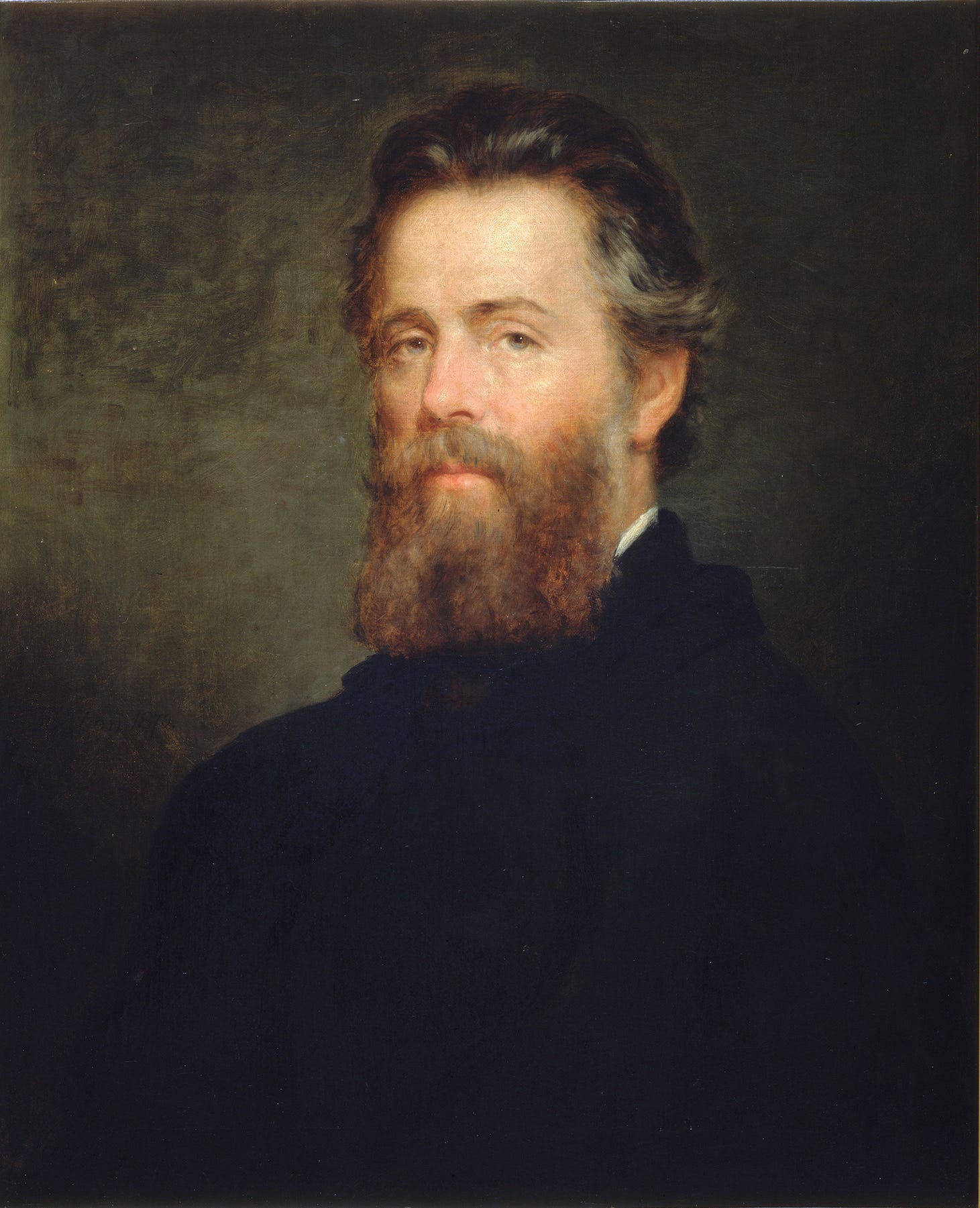
Herman Melville — outside of pious academics (think Harvard and Dartmouth PhDs) Melville is considered to have achieved the greatest work of English literature with Moby Dick. Although the French believe Pierre to be the better novel.
Notable others:
Female wise, Flannery O’Connor (The Violent Bear It Away) and Joan Didion (Play It As It Lays) come to mind
Post-modernists such as David Foster Wallace (Infinite Jest), Thomas Pynchon (Gravity’s Rainbow), and Cormac McCarthy (Blood Meridian) also make waves
And I’ll throw in poets, just because:
Shakespeare (obviously)
John Keats
Percy Shelly
T.S. Eliot
Living with my brother
The interplay of being the older sibling, yet still brothers.
Catch myself making him tea. Offering him books and artwork. Ideas to chew on. Shooting photography with him. Originally as a subject, but more and more wanting his perspective behind the lens. Surprises me with his creativity.
Sports and Market Cap
In the MLB, each team is limited by how much their owner is willing to spend (a theme ever present in Moneyball). Whereas in the NFL, each team is capped on how much they can spend.
This is why the same two teams always win the world series (the Yankees and the Dodgers). Major market teams. Doting owners. And also why the NFL remains more competitive. Limited cap space. An even playing field.
Buddhism
Been growing more interested. The idea of an ego entity, and true inner peace stemming from the removal of self. That all things are interconnected — one and the same. Certainly shared themes with Christianity. But seems less rooted in morality and more in shared experience. Finding a grounded presence.
Something I seek more of in my older age.
Christmas Plans
First time hosting, ever in the history of Christmas. Zane and I brainstormed. Formal dress attire. Big tree and warm lights. Drinks from a shaker, full effort.
Never get dressed up anymore. Nostalgic for the 1950s. Watching too much Mad Men.
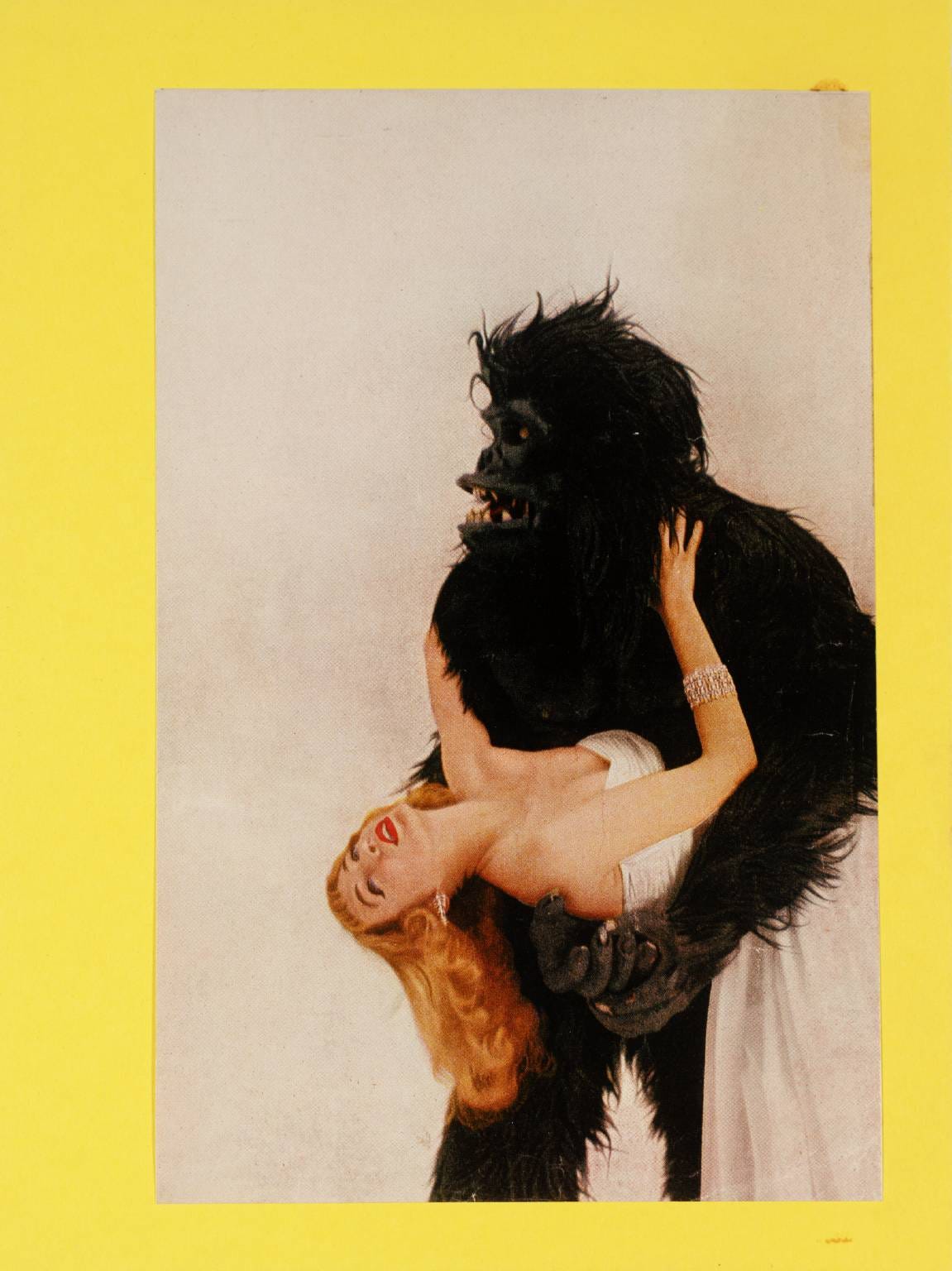
The AI Bubble — Further
Referencing an article from Michael Burry last week:
The big target for private credit now is AI data centers and anything inside them or in the immediate vicinity.
Private credit has exploded post-GFC and is non-bank financing. The lenders are generally private credit funds sponsored by the big private equity firms, and the space has grown like a weed because it is lightly regulated. Not usually a good sign.
The big hyperscalers are richer than many countries, so why are they using so much private credit for the development of data centers? That is a very good question.
I’ll give you a hint…there is a duration mismatch of catastrophic proportions between the asset and the loan.
The Ages of Stone, Bronze, Iron (and Steel)
This is an essay I wrote a couple years ago — back when I had like 5 people reading this (lol) — but one I often come back to. Wanted to re-share.
I stumbled across the ideas of Danish antiquarian Christian Thomsen when reading A Gentleman in Moscow. Thomsen organized man and his tools by-use of the three age system. This essentially means to break down the epochs of mankind into three distinct ages. The Age of Stone. The Age of Bronze. The Age of Iron.
The Stone Age was that of a rough and blunted man. Crafting tools and homes from shear rock as a means of survival. Then came the Bronze Age with the discovery of metallurgy. The elite of society fashioning coins and crowns. A furthering of the grandiose few. Of the bourgeois. Finally the advent of the modern age and that of iron. The steam engine, printing press, and gun. A trinity wrought from the efforts of the same bourgeois who lead the Bronze Age — but to egalitarian consequence — for it was the proletariat who ascended this age.
Alas, now we live in a new era. A new age. That of planes, skyscrapers, and rockets. The Age of Steel. Who will rise?

Some Literature
A quote from each of the aforementioned:
And then I asked him with my eyes to ask again yes and then he asked me would I yes and his heart was going like mad and yes I said yes I will yes. — James Joyce (Ulysses)
Because we would not wear any clothes because it was so hot and the window open and the swallows flying over the roofs of the houses and when it was dark afterward and you went to the window very small bats hunting over the houses and close down over the trees and we would drink the capri and the door locked and it hot and only a sheet and the whole night and we would both love each other all night in the hot night in Milan. That was how it ought to be. - Ernest Hemingway (A Farewell to Arms)
“I have heard,” murmured Starbuck, gazing down the scuttle, “that in violent fevers, men, all ignorance, have talked in ancient tongues; and that when the mystery is probed, it turns out always that in their wholly forgotten childhood those ancient tongues had been really spoken in their hearing by some lofty scholars. So, to my fond faith, poor Pip, in this strange sweetness of his lunacy, brings heavenly vouchers of all our heavenly homes. Where learned he that, but there? - Herman Melville (Moby Dick)